
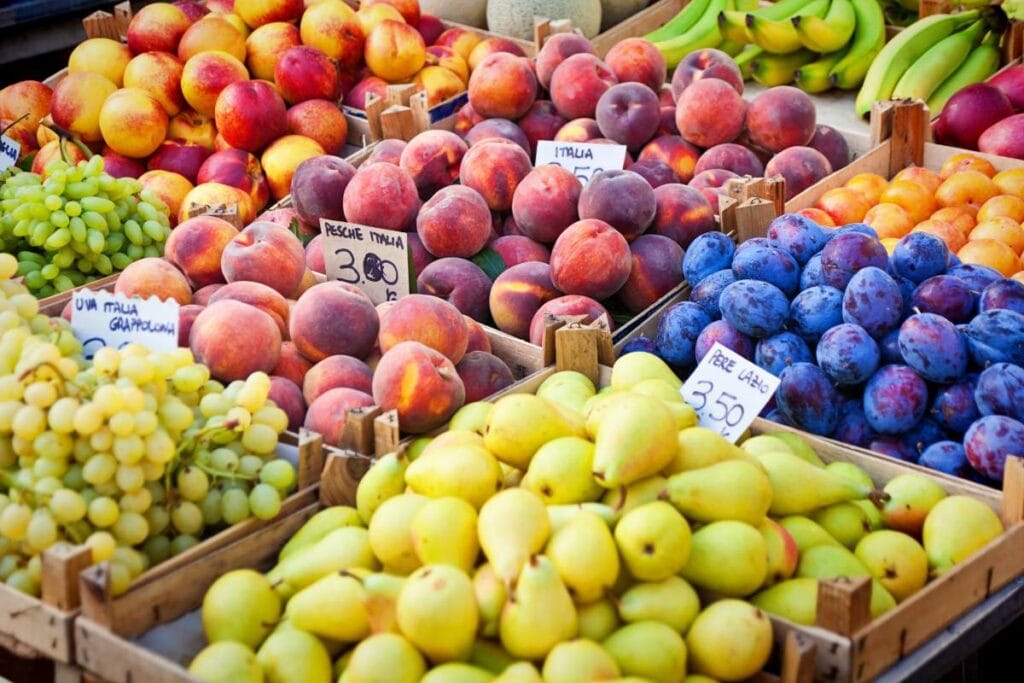
Navigating grocery shopping in Rome transforms a mundane task into a vibrant cultural experience that can save your travel budget without compromising on flavor. As we highlighted in our Rome family essentials, enjoying these local flavors at home is one of the biggest advantages of booking an apartment. For a large family, mastering the art of the Italian supermarket and local market is the secret to unlocking effortless, delicious meals.
Key Takeaways
- Market Magic: Start your day at a local mercato for the freshest produce and a sensory awakening.
- The Golden Glove Rule: Always use the provided plastic gloves when touching fruit and veggies in supermarkets—it’s strictly enforced!
- Deli Delights: Skip pre-packaged meats; order fresh prosciutto and cheese at the banco salumi for better taste and value.
Best Food Markets in Rome for Families
Forget the rush. In Rome, buying food is a ritual, not a race. Start your morning by visiting a local open-air market. It’s the perfect way to wake up the family and get in tune with the city’s rhythm.
For the most iconic atmosphere, Campo de’ Fiori offers a cinematic backdrop. While it is popular with visitors, the explosion of colors from seasonal fruits and the banter of the vendors is undeniable fun.
If you want a more authentic, neighborhood feel where Roman grandmothers shop, head to the Mercato di Testaccio (Click for location on Google Maps). Here, you can let the kids pick out ripe tomatoes that smell like sunshine or choose fresh figs for a mid-day snack. It’s an interactive way to get everyone excited about dinner.
Best Supermarkets for Grocery Shopping in Rome
When you need to stock up on basics—milk, water, pasta, and snacks for six people—you need a reliable supermarket. In the historic center, space is at a premium, so stores are often smaller than what you might be used to at home. Look for familiar signs like Conad, Coop, Carrefour Express, or Pam.
A Note on Size: Stores labeled “City” or “Express” are convenient but tiny. Navigating narrow aisles with a stroller and a large family crew can be a tight squeeze. If you can, try to find a larger standard store or go during off-peak hours (early afternoon) to browse in peace.
Elite Supermarkets: These are often slightly more upscale and carry a wonderful selection of international brands if your little ones are craving a specific comfort food from home.
The Unwritten Rules of Roman Shopping
To shop like a local and avoid awkward glances, there are two charming quirks you need to embrace.
1. The Plastic Glove Ritual
In the produce section, you will see a dispenser with plastic gloves. This is not optional! In Italy, hygiene is taken very seriously. Before you squeeze a peach to check for ripeness, you must put on a glove. It’s a fun little rule that kids usually enjoy following. Also, remember to weigh and print the sticker for your own veggies before heading to the checkout.
2. The Banco Salumi (Deli Counter)
This is where the magic happens. Avoid the pre-sliced ham in the fridge aisle. Instead, look for the (usually red) ticket dispenser and physically take a paper number. This is literal—without a ticket, you won’t be served! Once your number is called, you can ask for prosciutto crudo, mortadella, or pecorino cheese sliced fresh. It tastes infinitely better and is often friendlier on the wallet. Plus, interacting with the staff (even with just a smile and pointing) makes you feel like part of the neighborhood.
Need a Big Haul? Where to Find Hypermarkets
If you are staying for a longer period or simply need to do a massive restock for a large group, the small city-center stores might not be enough. For a full-sized shopping experience (similar to a “Supercenter” or large hypermarket), you usually need to head slightly outside the historic walls.
Look for larger stores like Conad Superstore, Esselunga, or Panorama. These are huge, offering everything from electronics to bulk family packs of pasta. They are best reached if you have a rental car or are willing to take a short taxi ride, but for a family of 6+, the wider selection and bulk prices can be worth the trip.
Beyond the Supermarket: The Forno and Alimentari
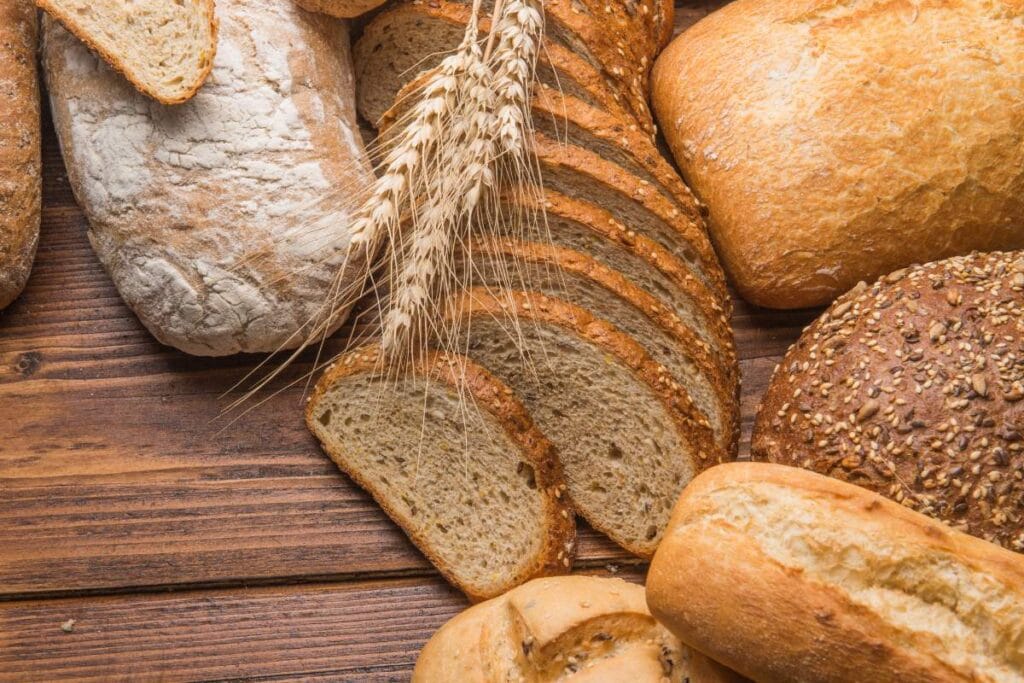
For the true Roman experience, don’t buy your bread at the supermarket. Follow your nose to the nearest Forno (bakery). The smell of freshly baked Pizza Bianca (simple pizza bread with olive oil and salt) is irresistible. Buying a few meters of pizza by weight is a fantastic, affordable lunch that will keep everyone happy.
For special treats, pop into an Alimentari. These are small, family-run grocery stores often packed floor-to-ceiling with jars of olives, artichokes, and regional specialties. It’s the perfect place to grab a unique ingredient that elevates a simple pasta dish.
The “Do It Yourself” Roman Feast
After a long day of walking the cobblestones, sometimes the best restaurant is your own dining table. Imagine this: the kids are playing in the apartment, shoes off, relaxed. You open a bottle of local wine and set the table.
You don’t need to cook a complicated meal. Boil some fresh pasta (found in the refrigerated section), stir in a jar of high-quality pesto or a simple tomato basil sauce, and serve a side of mozzarella di bufala with those ripe tomatoes you bought at the market. Add the fresh, crusty bread from the Forno, and you have a feast fit for an emperor, at a fraction of the cost of a restaurant dinner. This is the essence of La Dolce Vita—simple pleasures, shared with the people you love.
Frequently Asked Questions
Are supermarkets open on Sundays?
Generally, yes. Most supermarkets in the city center are open on Sundays, though they might have shorter hours. Smaller family-run shops (Alimentari) are more likely to be closed, so check your supplies on Saturday.
Can I find baby supplies easily?
Absolutely. All major supermarkets carry diapers (pannolini), wipes, and baby food. Brands like Plasmon and Mellin are high-quality local favorites if you don’t see your usual brands.
Do I need cash?
Major supermarkets all accept credit cards (Visa/Mastercard). However, for small purchases at local markets or tiny bakeries, it’s always good to have some Euro coins and small bills on hand.